Just as UV rays damage your skin, they can harm your eyes. In fact, eye damage from UV exposure can be severe and sometimes irreversible. Here's what you need to know.
The UV Threat
There are three types of UV radiation:
**UVA:** Longer wavelength, penetrates deep into the eye
**UVB:** Medium wavelength, damages the cornea and lens
**UVC:** Shortest wavelength, mostly absorbed by the atmosphere
Both UVA and UVB can cause: - Cataracts - Pterygium (tissue growth on the white of the eye) - Photokeratitis (sunburn of the cornea) - Macular degeneration - Skin cancer around the eyes
UV Exposure Risk Factors
- Time of day (strongest 10 AM - 4 PM)
- Geographic location (closer to equator = higher exposure)
- Altitude (higher = greater exposure)
- Reflection from water, sand, and snow
- Medications that increase photosensitivity
Protecting Your Eyes
#Sunglasses
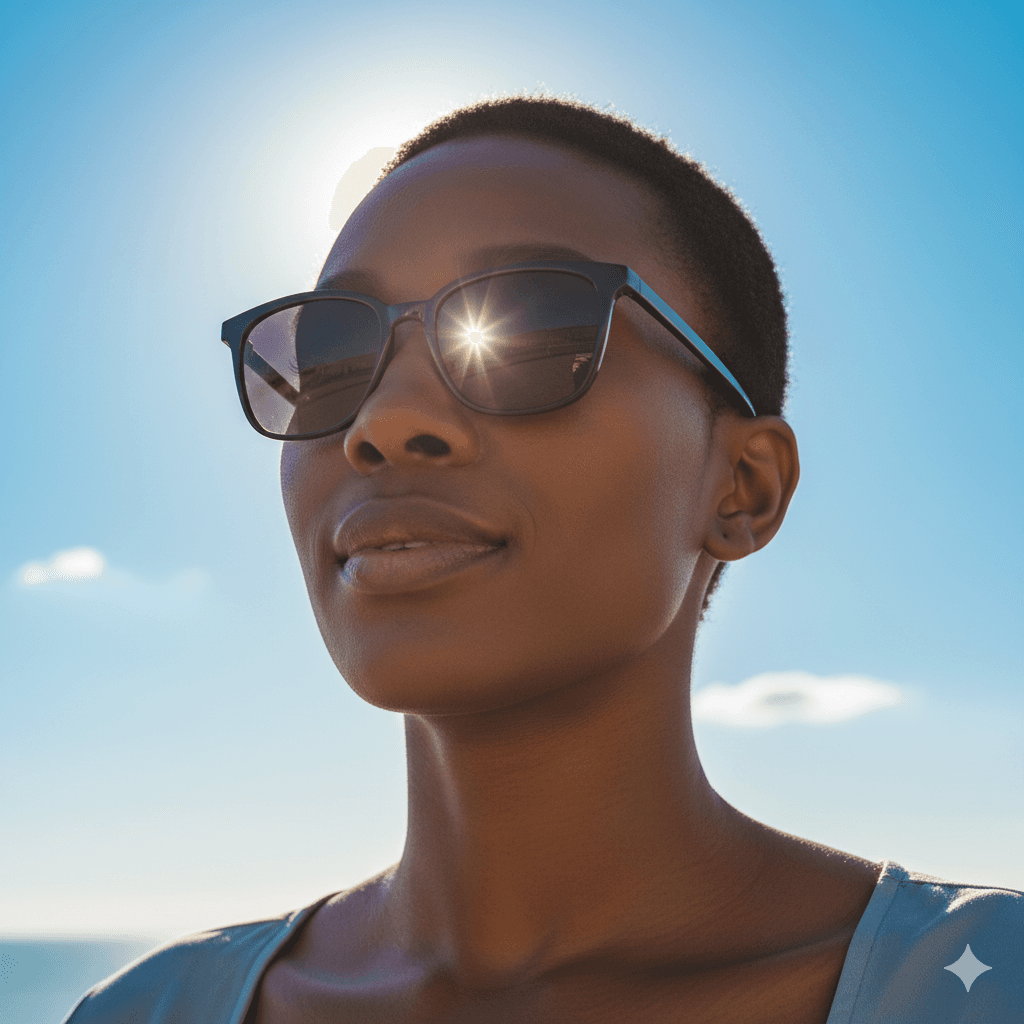
Invest in quality sunglasses that: - Block 100% of UVA and UVB rays - Are labeled "UV 400" - Provide wraparound coverage - Are large enough to protect the orbital area
#Additional Protection
- Wear a wide-brimmed hat (reduces UV exposure by 50%)
- Seek shade, especially during peak hours
- Use UV-blocking contact lenses
- Consider photochromic lenses that darken in sunlight
#For Children
Children's eyes are more vulnerable to UV damage. Ensure they wear UV-protective sunglasses and hats year-round, even on cloudy days.
Year-Round Protection
UV rays penetrate clouds, and snow and sand reflect up to 80% of UV radiation. Protect your eyes every day, not just at the beach.
Professional Eye Exams
Regular eye exams can detect UV-related damage early. Schedule your exam today to ensure your eyes are healthy.